Scientific Tests
Scientific Tests Regarding Ensynox® Organic Enzyme
Introduction
We conducted a high volume of tests with Ensynox® organic enzyme, including both laboratory and field tests; some with scientific data, others without, and some as laboratory experiments or field tests. This page lists them without giving the full results.
USDA and EU (Health Ministry of Spain) certificates are obtained.
Tests were conducted on targeted oil spill cleanup (both physical and biological), blue-green algae, red tide, DDT, PCB (soil), coral reefs, plant disease, animal husbandry disease, bacterial infection, fisheries, and human skin disease.
The reason why Ensynox® organic enzyme is so effective in diverse environments is that it is SYSTEMATIC. It behaves the same way with toxins, bacteria, and contamination. The enzyme reduces their concentration significantly or eliminates them and promotes the natural balance.
The final result of the enzymatic biological degradation is a comprehensive solution. Contaminants are eliminated or significantly reduced in an environmentally friendly manner. The by-products are harmless and include non-hazardous water and small amounts of carbon dioxide.
For more information, please first contact the person who forwarded this website to you, or contact attila.tottosi@ensynox.com, referring to the person who sent the website to you.

This page is confidential and may well be legally privileged. It may contain information regarding intellectual property rights protected by patents and trademarks. Use it carefully, only in direct communications with target person(s) who are capable of performing tests, pilot projects, and putting the findings into practice.
Besides efficacy, the most important thing is safety.
Material Safety Data Sheet of Ensynox® Organic Decontamination Solution
Our working method is always to introduce our solution to the environment on a small scale, in a controlled environment (scientifically measured and controlled testing in a laboratory or safe, localized field testing with measurement before-after.
Oil spill - PAH and BTEX hydrocarbons cleanup
Laboratory experiment with scientific data.
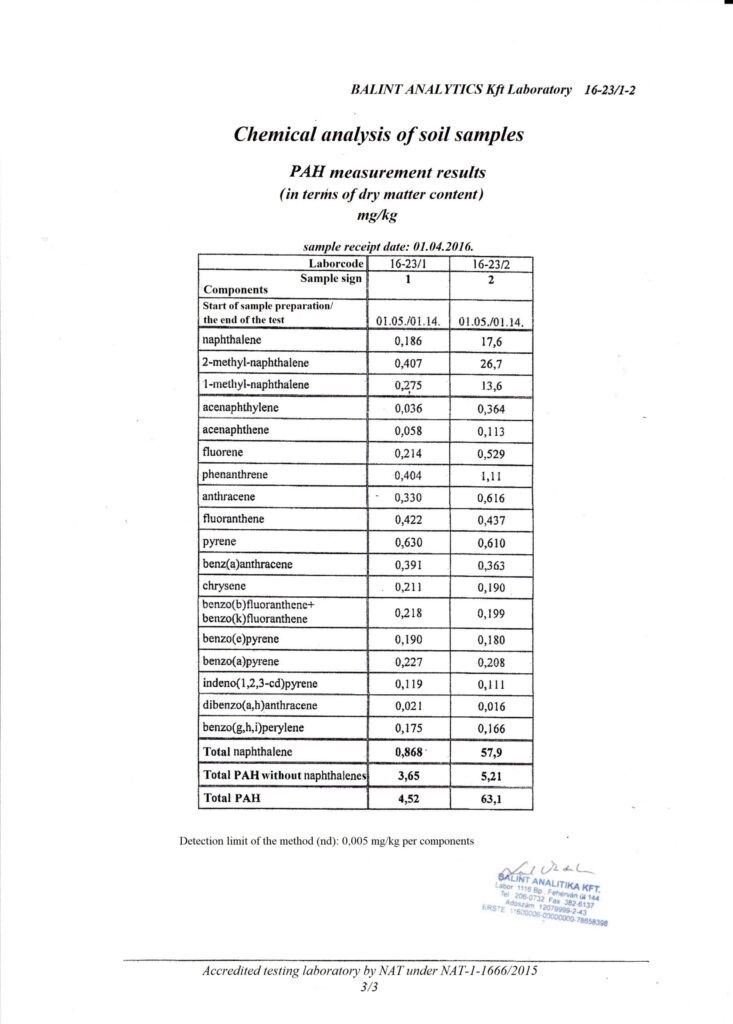
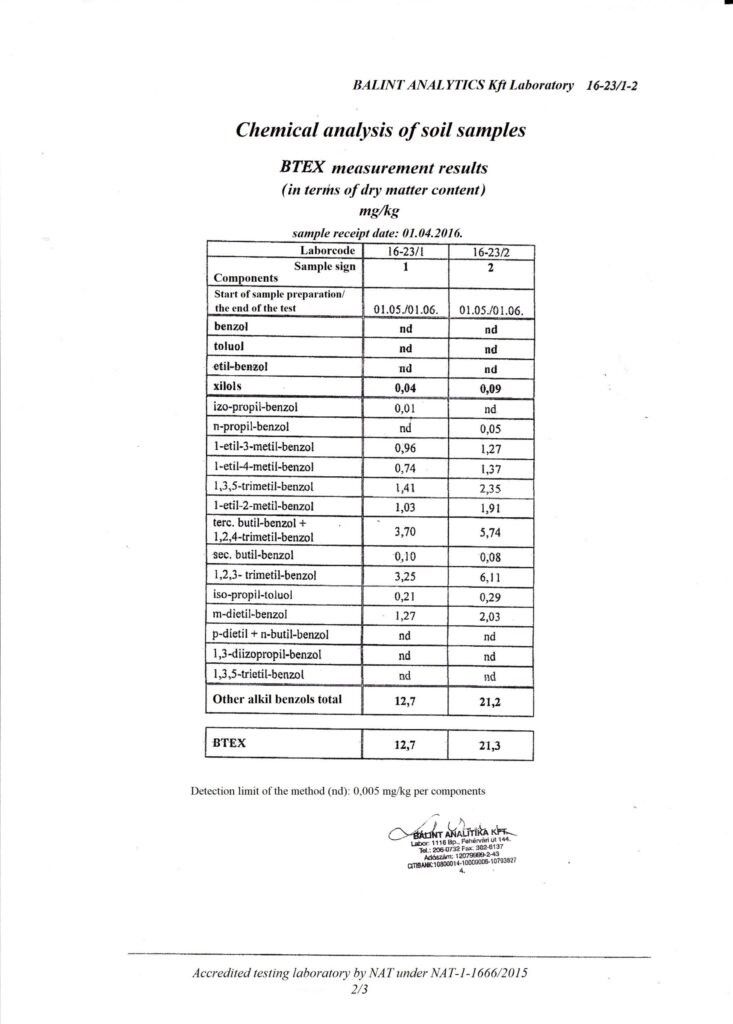
New ParagraphaHydrocarbons, PAH (polycyclic aromatic hydrocarbons), and BTEX (benzene, toluene, ethylbenzene, xylene) were investigated in a soil sample.
The tests were conducted in an internationally recognized environmental laboratory in Budapest, Hungary, Europe (registration nr is 16-23/1-2).
Conclusion:
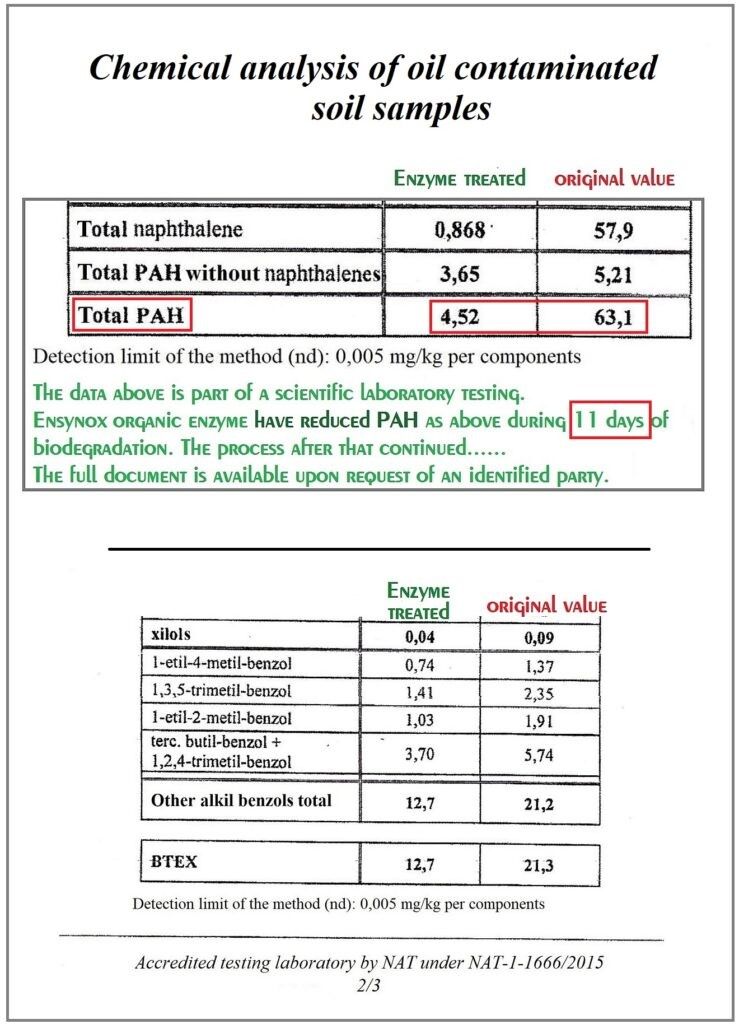
The control test was performed on the 11th day of adding the Ensynox® enzyme to the sample. During the 11 days, the enzyme reduced PAH from the original value of 63.1 mg/kg to 4,52. The enzymatic biodegradation process to be continued after that until the value of relatively zero of PAH content.
Ensynox® also reduced BTEX in 11 days from 21.3 mg/kg to 12.7.
The continuing biodegradation after 11 days reached significant BTEX content reduction.
The final result takes effect approximately between 21-25 days.
Media content:
- PAH-test
- BTEX-test
- Extract
- Data-log-I
- Data-log-II
- General information of our oil spill cleanup capabilities.
Additionally, Ensynox® is used in a combined technology with SATHEBRA bioremediation agent powder, which has a capacity to physically clean up oil spills not just on the surface, but on underwater objects or ocean floor.
The powder is temporarily hydrophobic, selectively absorbent, it absorbs oily substances, but repels the water. This is the reason why we can apply the compound underwater, and the powder stays dry on the bottom of the water. The powder as a carrier can deliver active agents, like enzymes to underwater or other biological agents to the bottom. On surface applications, after it absorbed the oil, it can be removed and the original status restored in pre-spill status. In underwater applications, after the formula is absorbed and neutralized the toxic oil, after it loses its hydrophobic status, the components to be released in the aquatic environment. The neutralized oil becomes food for the aquatic environment, otherwise, the calcium, enzyme, trace elements, minerals and a small amount of air will balance and engineer the environment. Pilot and visible tests were conducted.
Blue-green algae decontamination
Field and laboratory test with scientific data.
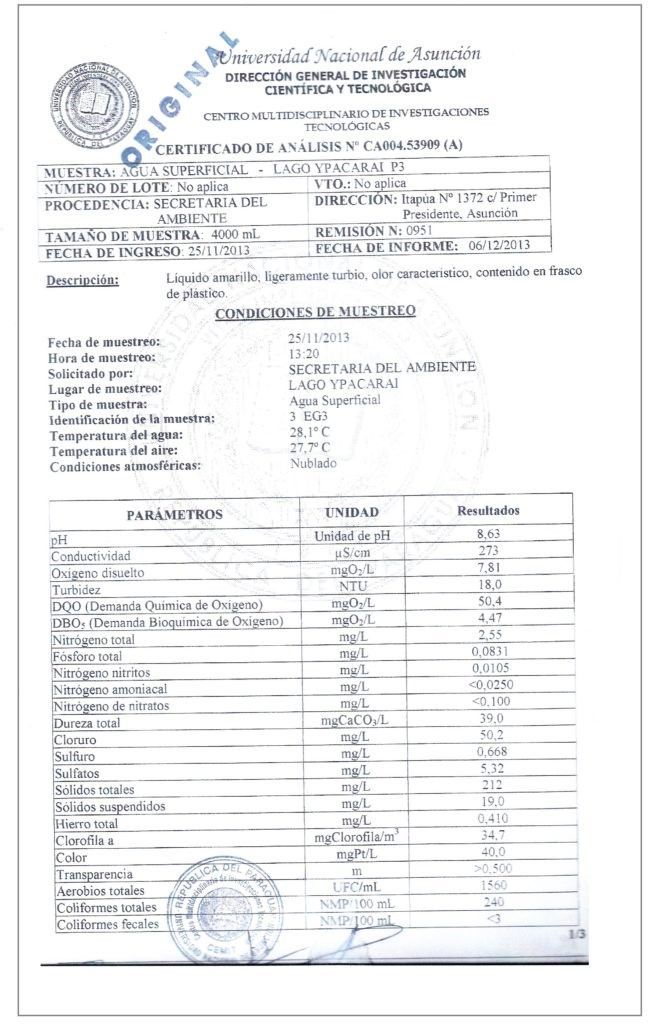
Blue-green algae (cyanobacteria) were investigated in a pilot test and project in a live application on Lake Ypacarai in Paraguay, where the bacteria caused harmful algal bloom for a long time.
The pilot test project was implemented by our Spanish subcontractor team Europea Gold.
The laboratory and field tests were conducted by the University of Asuncion. The official registration number of the experiment is 222/02.
Original samples were taken controlled by GPS coordinates from different points of the lake. The samples were measured as an original status and treated with Ensynox®.
The first control measurement was taken on the 8th day from the application of the enzyme, the final test was conducted on the 12th day.
Conclusion:
Different species of the bacteria were eliminated or reduced significantly, more of them showed a 100% reduction rate after the first control (8th day).\
Media content:
Blue-green algae
test
technical report
Lake Ypacarai-blue-green algae test I – on Vimeo – Field
Lake Ypacarai blue-green algae test II-media on Vimeo – studio
General information regarding our water treatment capabilities
Red tide (Karenia brevis) decontamination
Laboratory experiment with scientific data.
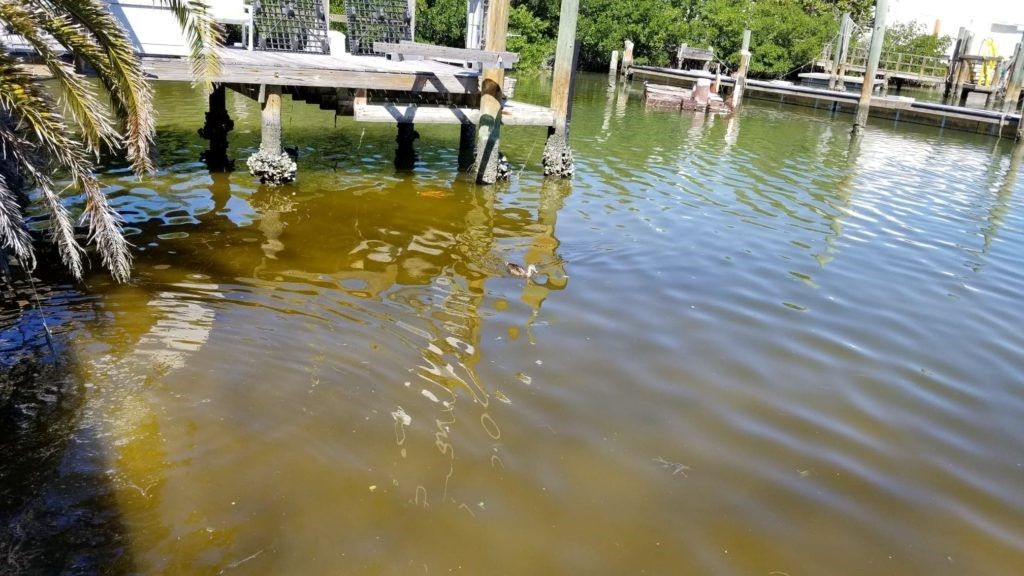
Red tide (Karenia brevis) was investigated in a laboratory experiment. The peer-review test walk-through the stages of the investigation. The test was conducted by the Sanders Environmental Laboratory, Nokomis, Florida. The official registration number of the experiment is 1811037; 1811385.
Original samples were taken at two different locations in St. Petersburg area Central West Florida.
There were two different ages of Ensynox®.were used during the testing.
All the samples were fed on the same amount of nutrients to keep the bacteria alive.
Conclusion:
Fresher-produced Ensynox®. killed red tide bacteria in 5 days.
The older-produced Ensynox®. killed red tide bacteria in 6 days.
It is because the enzyme is pure organic protein, the volume of active agents is reduced by age.
The control sample (without treating by Ensynox®.) still showed 2300 cells of the bacteria, but both work-sample treated by the enzyme showed 0 cells.
Interestingly, after the introduction of the enzyme to the samples, the number of bacteria increased. It is because it was a Trojan-horse effect. The bacteria recognized the enzyme as a food source and grown. But after that, the enzyme killed it from inside and eliminated the bacteria.
Media content:
Red tide test Technical report
Case narrative hourly data
5th-6th Day: the proof
Coral disease test
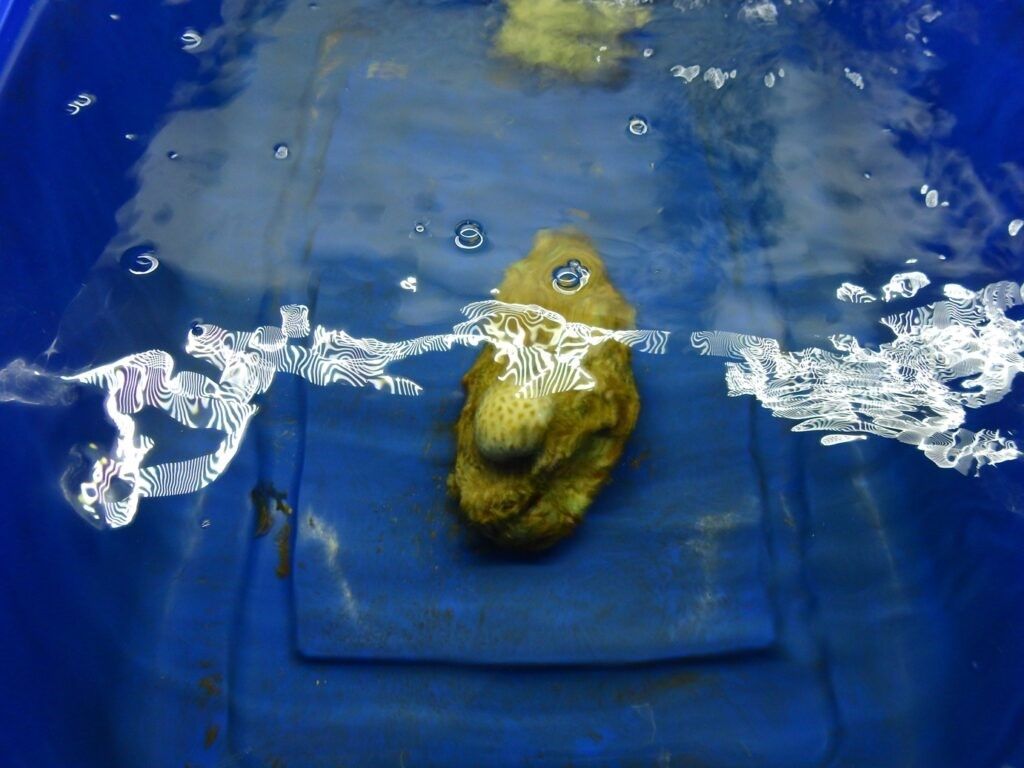
Ensynox-treatment was investigated in a laboratory experiment. The test was conducted in Tulum, Mexico by Dr. German Mendez (Cozumel Coral Reef Restoration Program).
There was no opportunity to take measurements during the process, only visual tests were conducted.
Based on the technical report, Ensynox was applied in one tank, based on the protocol, where a Favia Fragum species was infected by the disease, it was paled, but still alive.
Conclusion:
Different coral species in other tanks, in the same conditions, died, except that one species treated with Ensynox. It did not lose its tissue, survived, the enzyme conserved its status.
Based on the documented communication with the investigator, they took him back to the ocean where he survived and stayed alive.
Media content:
Technical Report Coral Reef test-Mexico / Tulum Laboratory test
Heavy metals reduction in sewage sludge and oil sludge
Laboratory experiment with scientific data.
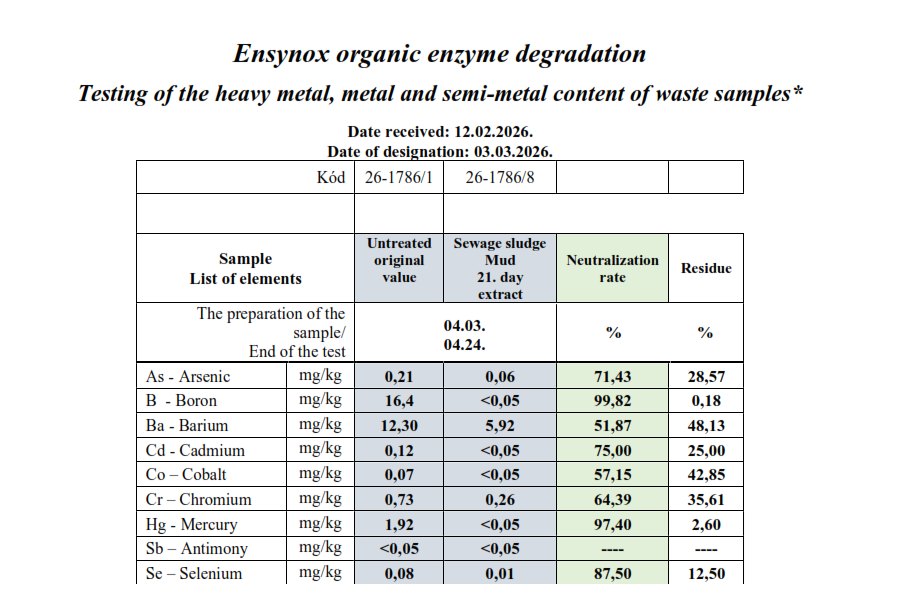
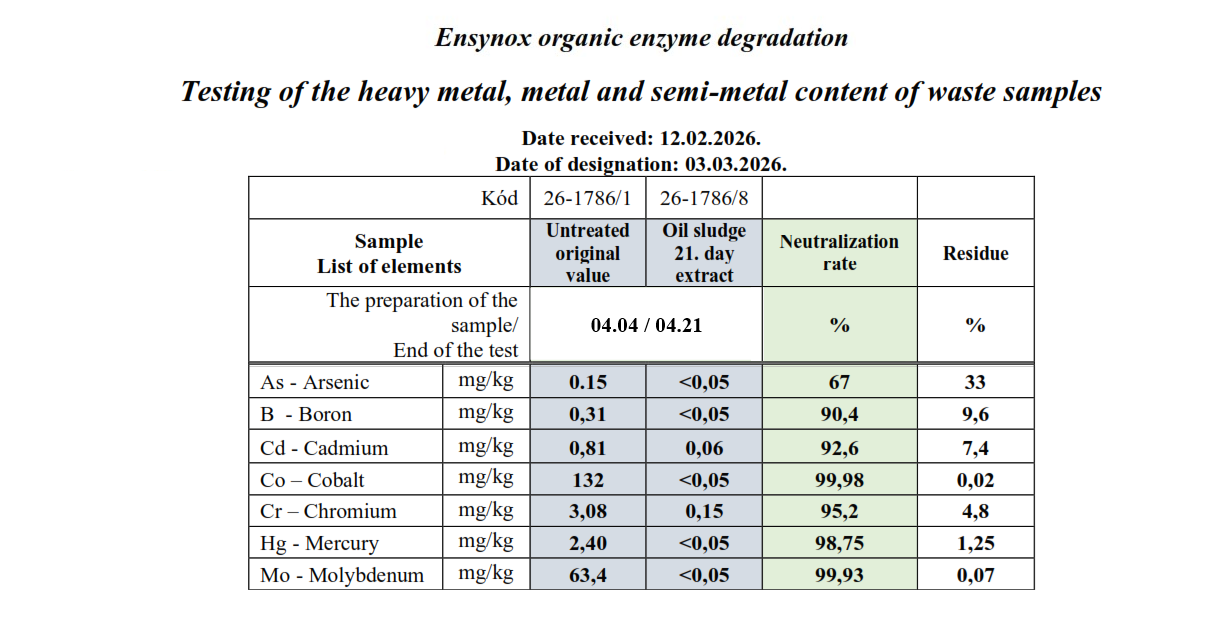
In 2026, an internationally recognized environmental laboratory in the EU (Balint Analitika, Budapest, Hungary) conducted a test series on samples collected from sewage sludge and oil sludge.
Conclusion:
Ensynox organic enzyme significantly reduced the toxicity of heavy metals, with many reductions over 90%.
Media content:
Original laboratory report (PDF-file)
Simplified summary of the report (PDF-file)
Additional test projects
There are other tests with different documentation that shows the efficacy of the Ensynox® organic enzyme.
There are photo documentation and more confidential information can be released.
1. Plant health and recovery
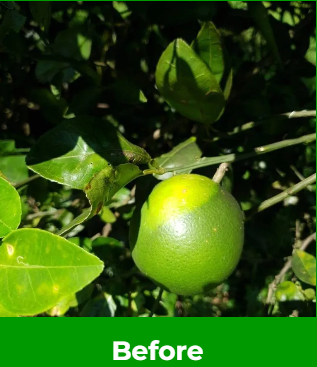
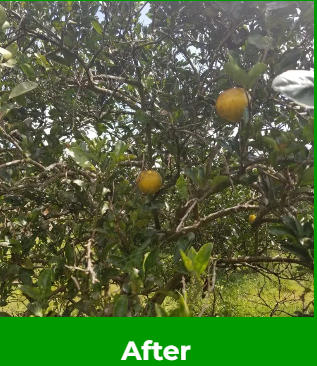
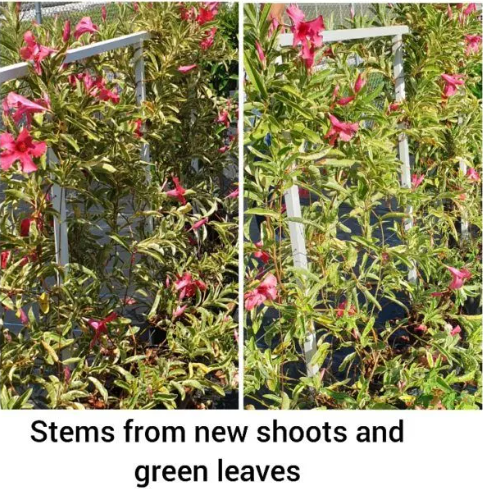
Field test was conducted. We applied Ensynox® in orange grove farm on 3 trees that are contracted by a bacteria (canker) and caused citrus-greening, when the fruit, the orange crop is unable to mature and turn orange color.
Five days later the oranges turned orange color.
More information.
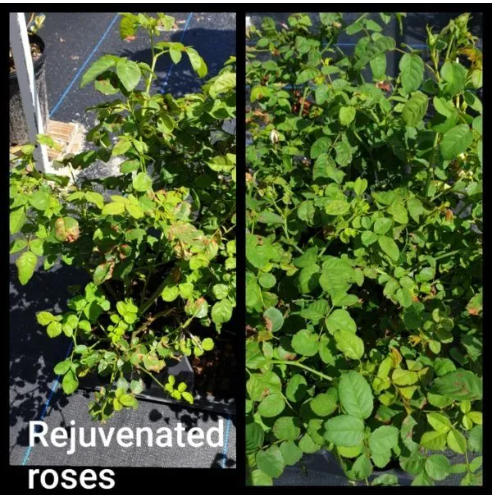
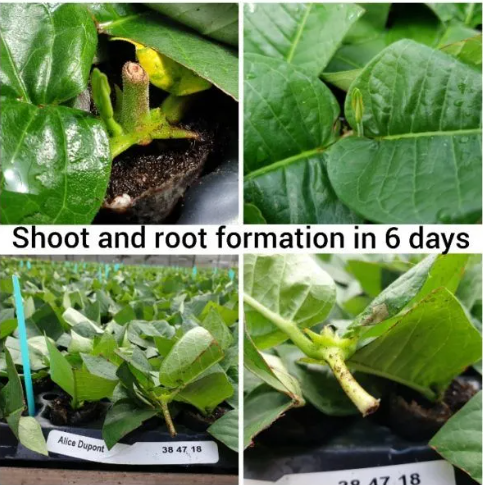
In another test we applied the enzyme in rose nursery where the leaves and plants showed disease.
One week after the application the brown disease stains were faded, and the nursery experienced shoot formation faster, in higher volume, and stronger that showed healthy signs.
Conclusion:
the enzyme application result in a healthier plant that matures faster, brings a higher volume of crop, increased immunity and ability for regeneration. More information can be given.
2. DDT, PCB, Pesticides (Monsanto)
Field and laboratory tests have been conducted, demonstrating the effectiveness of Ensynox® in reducing toxic substances in soil environments.
The first significant test took place at the Housatonic River in Massachusetts around 2006. This river had been heavily contaminated for decades due to the disposal of highly concentrated PCBs by General Electric.
As a result, the river, riverbed, surrounding areas, soil, and vegetation were severely affected, posing serious risks to human health.
The executive director of the Riverkeeper Association requested that we conduct tests in response to this contamination. In our study, soil samples treated with a standard formula of Ensynox® resulted in a 70% reduction of PCBs. Unfortunately, the Environmental Protection Agency's approach differed from our findings. For further inquiries, the contact information of the executive director of the Riverkeeper Association is available.
In 2014, an internationally accredited laboratory in Europe tested a soil sample contaminated with PCBs and DDT from Mongolia.
Following elevated results, large-scale decontamination efforts were implemented, leading to significant improvements. The samples underwent thorough analysis, and a specialized formula was developed specifically for removing these toxic chemicals. Scientific data indicated that the
original concentration of PCBs was 480 mg/kg, which was reduced to 0.01 mg/kg after treatment. Similarly, the
original concentration of DDT was 520 mg/kg, but after enzyme treatment, it was reduced to 0.04 mg/kg.
Additional information and scientific data are available. Overall, our enzyme during an elevated R&D process achieved a
99% reduction of PCBs and DDT.
3. Animal husbandry
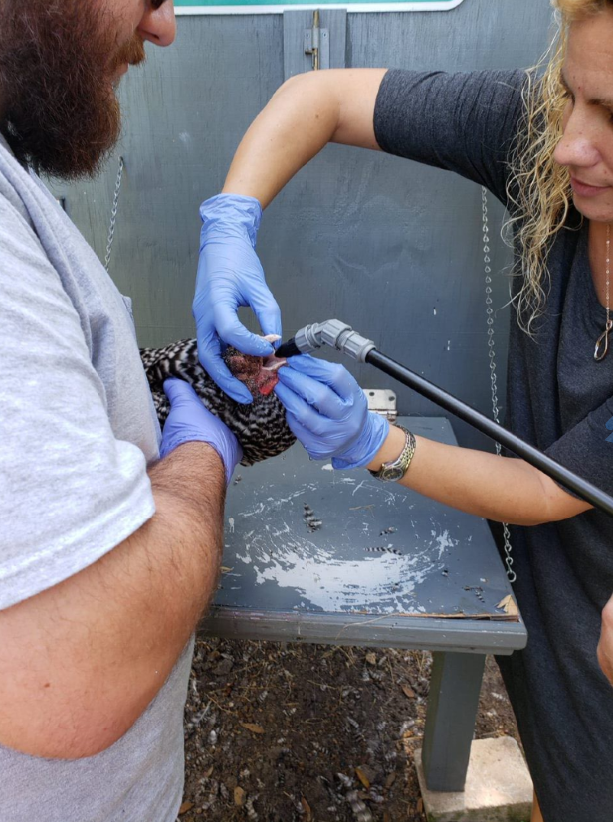
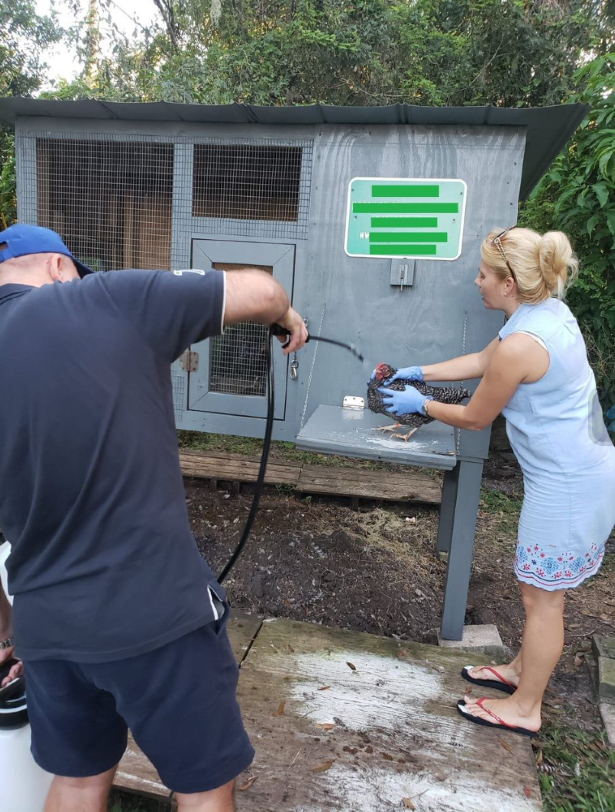
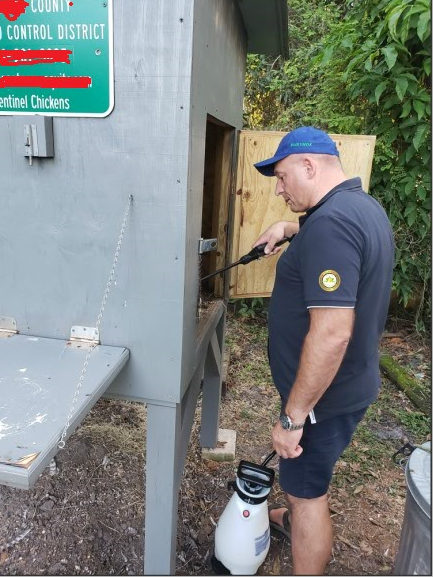
A field test was conducted. There was a bacterial infection caused by
Salmonella typhimurium in a chicken farm operated by a County Administration in Florida. 6 chickens were separated and treated with antibiotics, with no signs of effect after 1 week of treatment.
The chickens were unable to open their eyes, and it was difficult for them to eat and drink; they were very weak, and more of them were unable to stand on their own feet.
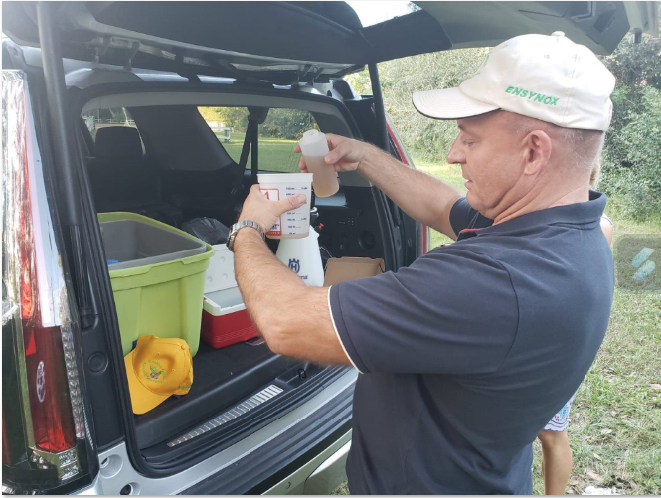
We applied Ensynox® two times a day. During the treatment, we sprayed Ensynox® diluted with water in a specific ratio and pumped Ensynox® intestinal into their esophagus.
5 days later, the result was: 4 chickens were able to live a normal life, showed no signs of illness, ran, ate, and drank normally, and opened their eyes 100%. 1 chicken still seemed problematic, but she was able to open her eyes at 80%.
1 chicken died on the third day due to its advanced condition. More confidential information can be provided.
4. Treatment of Oil-Contaminated Soil Samples
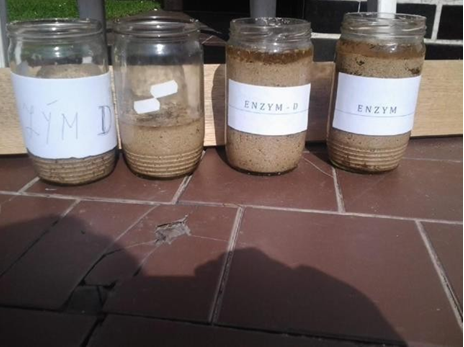
We conducted a visual test on a heavily oil-contaminated sand sample that we received from Libya, sent by a governmental lobby group in 2011.
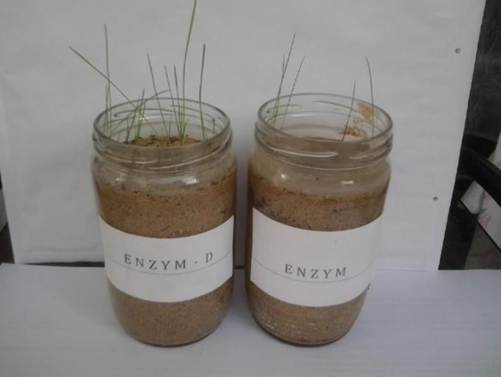
They requested our assistance in treating and cleaning the sand of toxic oil. We divided the sample into two parts: a test sample and a control sample.
The test sample was treated with Ensynox® for 14 days. After this treatment period, we planted grass seeds in both the treated test sample and the untreated control sample. The untreated control sample showed no signs of life, while the test sample that had been treated with Ensynox® showed significant grass growth.
5. Oil spill cleanup on surfaces (soil or water) and on the bottom of the water
This demonstration test (video link below) was conducted in a tabletop setting to demonstrate the capability of our secondary technology, the selectively absorbent temporarily hydrophobic enzymatic bioremediation agent (SATHEBRA).
Ensynox® enzyme can be added (or not) in the compound enhancing its bioremediation capability by biodegradation of the toxic oily substances.
In this demonstration video there are 3 different oil spill cleanup scenarios:
- Oil removal from surface water
- Clean up oil sediment and oily substances from the bottom of the water, ocean floor (Deepwater Horizon oil spill - The Poseidon Projects).
- Used oil removal from surface water We do have several methods of cleanup, the video shows a few of them. The presented oil clean-up and bioremediation are working the same way on the soil.
Discussion:
There are other powder technologies on the market, but those substances are permanently hydrophobic, construction materials that are designed for permanent waterproofing. This is the reason why, in environmental applications, our solution is better because it is a bioremediation agent. We may remove it or leave it in the environment, because after it loses its hydrophobic status at different levels and times, it will be engineering the pH and chemistry for the better by releasing calcium, trace elements, and minerals. The neutralized toxic oil may be food for fish and microorganisms.
There is a non-provisional patent behind this technology.
The documents are the property of Sunshine Green Services LLC, Sunshine Green Environmental Protection, LLC, and OnEarth MissionX LLC.
©2010-2026 All rights reserved.
Independent Studies regarding earthworms and their enzymes
Numerous studies and scientific research have explored various aspects of earthworms and their enzyme extracts. Our claims are supported by these findings. You can find a comprehensive collection of these studies at the following website:
Click on
this link
to access the website of those independent researches.